
Why Pet Obesity Is a Growing Concern and How to Address It
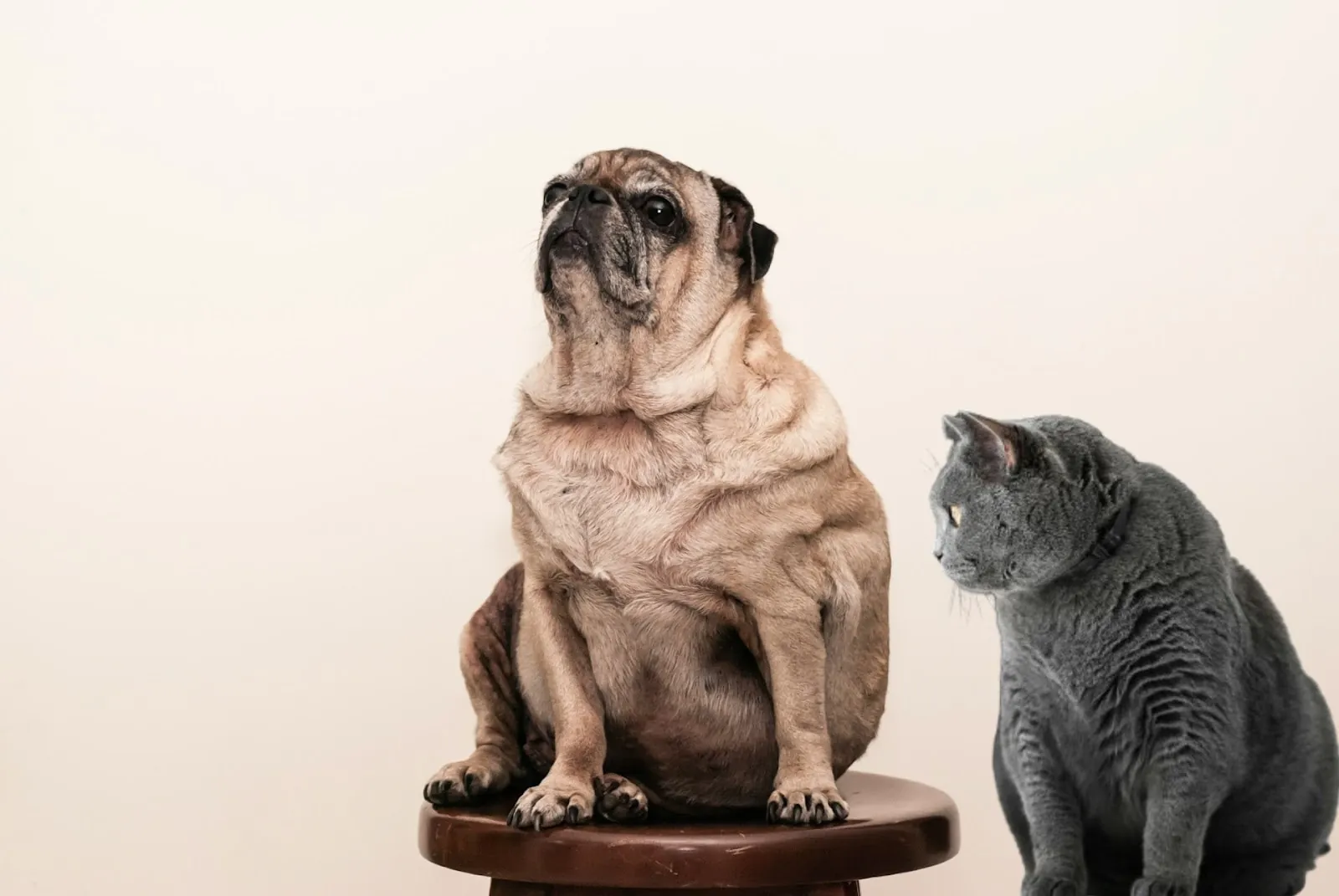
The 2022 Pet Obesity Prevalence survey showed that 59% of dogs and 61% of cats are overweight or obese.
Also, nearly one-third (32%) of owners of overweight or obese pets classified their pet as “normal,” “ideal,” or “thin” when their veterinary professional classified it as overweight to obesity.
Pet obesity has become a health concern in recent years. An obese cat or dog is more susceptible to other health complications such as cancer, diabetes, and heart disease than a pet with an ideal weight.
Most health complications pets face can be prevented if their weight is taken care of. However, many pet parents are unaware of what causes obesity in their dogs and cats. The health risks associated with it and how to address them.
In this post, I’ll walk through these steps with you and also highlight what pet obesity is.
What Is Pet Obesity?
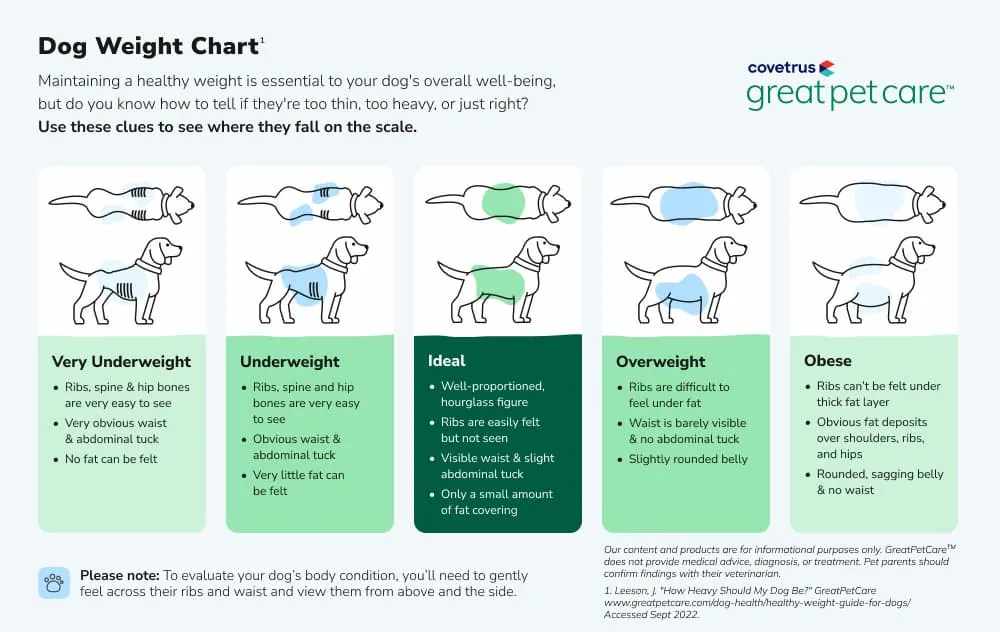
Most pet parents can tell whether their dog or cat has had excessive weight gain but not if it happens slowly over time. There are some differences in body shape through different breeds but on average, most pets should be relatively easy to tell if they are over weight or actually obese.
An overweight pet may be 10-20% over their ideal weight, while pets 21% and over are considered obese.
Therefore, if your furry friend has a thick fat layer over their ribs, lacks a visible waist, is panting more or tired than usual, and has a belly that droops, it could be classified under the pet obesity or overweight categories.
What Causes Obesity in Pets?
There are several factors contributing to the rise in pet obesity, and they include;
-
Overfeeding
Simply feeding pets more calories than they expend means they’re taking more calories than they can burn. It can happen due to free-feeding (leaving food out all day), eating human food, or not measuring portion sizes.
A 2011 study found that owners who ate nutrient-rich, calorie-poor diets had normal-weight dogs, and owners who fed more table scraps had overweight dogs. Regardless of body condition, 59% of dogs received table scraps, which made up 21% of daily caloric intake.
Thus, the feeding patterns of pet parents influence their pet’s weight gain or loss. Overfeeding your pets or providing them with high-calorie foods can easily lead to unhealthy weight gain.
-
The Lack of Exercise
Yes, most pets live sedentary lifestyles compared to their wild counterparts, but this shouldn’t be an excuse for why your pet is inactive.
Many pets do not receive adequate physical activity. Furthermore, exercise opportunities can be scarce for pets who are indoors or in densely populated urban areas. So, it is crucial to play/walk your dog or cat as it will not only help them burn those calories when sniffing and exploring the surrounding environment, but you will also benefit as you’re physically active.
-
Age and Health Issues
As pets age, they become less active, their metabolism slows, and they are more prone to gaining weight. Additionally, medical conditions such as hypothyroidism can result in decreased thyroid hormone production, which often leads to unexplained weight gain. Therefore, it can predispose pets to obesity.
-
Genetic Factors
Some breeds of your dog or cats are predisposed to gaining weight faster and prone to obesity. Some dog breeds prone to obesity more due to genetic factors are Labrador Retrievers, Beagles, Golden Retrievers, Cocker Spaniels, Dachshunds, and mixed-breed dogs.
A 2016 study found a gene mutation associated with weight and food-motivated behavior in Labrador and flat coat retrievers.
This genetic mutation occurs even more frequently in Labradors used as assistance dogs, which could also explain why food rewards are so effective in their training.
Therefore, Labrador retrievers tend to be more motivated by food and have a higher prevalence of obesity than other dog breeds.
As for cats, certain breeds are predisposed to obesity, and are British Shorthair, Burmese, Maine Coon, and mixed-breed cats. A 2018 study found that Birman and Persian cat breeds showed a decreased risk of being overweight. Also, when comparing purebred and domestic cats in the study, the domestic cats were more often overweight.
-
Pet Owner Habits and Attitudes
Pet owners’ perceptions of their pets’ dietary needs can lead to overfeeding. Many pet owners view food as a way to express love to their pets, often disregarding the negative health impacts of excess feeding. It might explain why pet owners may be unaware and not recognize when their pets are overweight.
Health Risks Associated With Obesity in Pets
Pet obesity can significantly impact their health and overall quality of life. Therefore, excessive weight in dogs and cats can contribute to medical issues and potentially reduce their lifespan.
Hence, understanding these health impacts can motivate pet owners to take proactive steps in managing their pets’ weight.
-
Joint and Mobility Problems
One of the most common consequences of pet obesity is joint problems. Overweight pets carry extra weight that stresses their bones and joints. It can lead to conditions such as osteoarthritis and hip dysplasia. Therefore, pets suffering from these conditions may show discomfort signs during activities they previously enjoyed, such as walking or climbing stairs. Hence, their movement is impaired.
With reduced physical activity, weight gain can worsen, leading to a cycle of declining health.

-
Heart Disease
Excess fat in pets can also lead to heart disease. The additional weight forces the heart to work harder to pump blood throughout the body, which can strain the cardiovascular system over time.
This extra burden can result in a decreased ability to exercise due to reduced stamina, further complicating matters. Also, your pet’s excess weight can lead to high blood pressure.
-
Diabetes
Obesity in pets can significantly increase their risk of developing diabetes, particularly in cats.
Excess body weight can lead to insulin resistance, where the body’s cells don’t effectively respond to insulin. This malfunction leads to the disorder known as diabetes mellitus, which requires lifelong diabetes management or even emergency treatment in severe cases.
The management typically involves regular insulin injections and strict diet controls, adding emotional and financial strain on pet owners.
-
Increased Risk of Cancer
There is a correlation between excess weight and cancer development in pets. Therefore, your obese dog or cat is susceptible to developing aggressive and life-threatening cancers. So, as a pet parent, you must take the initiative to address your pet’s obesity.
A 2022 study review found that the risk of developing TCC of the bladder was in obese dogs. Transitional cell carcinoma (TCC) is a type of cancer that affects your urinary system, meaning that it’s a bladder cancer.
The review also observed that among neutered female dogs, obesity that developed in early life could increase the risk of developing mammary gland tumors. They also identified that overweight or obese female dogs developed mammary gland carcinomas (cancer type that starts in cells of the skin) earlier than female dogs at their ideal weight.
Therefore, there is a link between obesity and cancer in dogs. Thus, cancer-preventive measures should include weight loss.
How to Address and Prevent Pet Obesity
Addressing pet obesity involves a variety of approaches, from focusing on diet and exercise to utilizing products like CBD and regular veterinarian consultations. By implementing these tactics, pet owners can help ensure their pets lead healthier and longer lives.
-
Focus on a Balanced Diet, Portion Control, and Time of Day Feeding
Pet obesity often results from overfeeding and a lack of a balanced diet. High-quality, nutrient-rich pet foods can promote better health and easier weight management.
- Consider feeding foods that are less processed, heated and lower in carbohydrates. Commercial foods labeled as weight management usually have more carbs/sugars in them and reduced fat. Don’t fall for this gimmick.
It’s crucial to measure food portions accurately based on the pet’s weight, age, and activity levels rather than relying on eye estimation. A measuring cup or consulting the feeding guide on the pet food packaging can help prevent overfeeding.
It is also worth considering time of day feeding changes. While most pet parents feed their adult dogs twice a day. Some dog lover and even veterinarians suggest feeding your dog once a day and essentially fasting for much of the rest of the day. This is akin to intermittent fasting that has become popular for health benefits in humans. I have to mention that this is still up for debate in humans and only healthy adult dogs should try this. It did help my dogs lose a few pounds when I tried it.
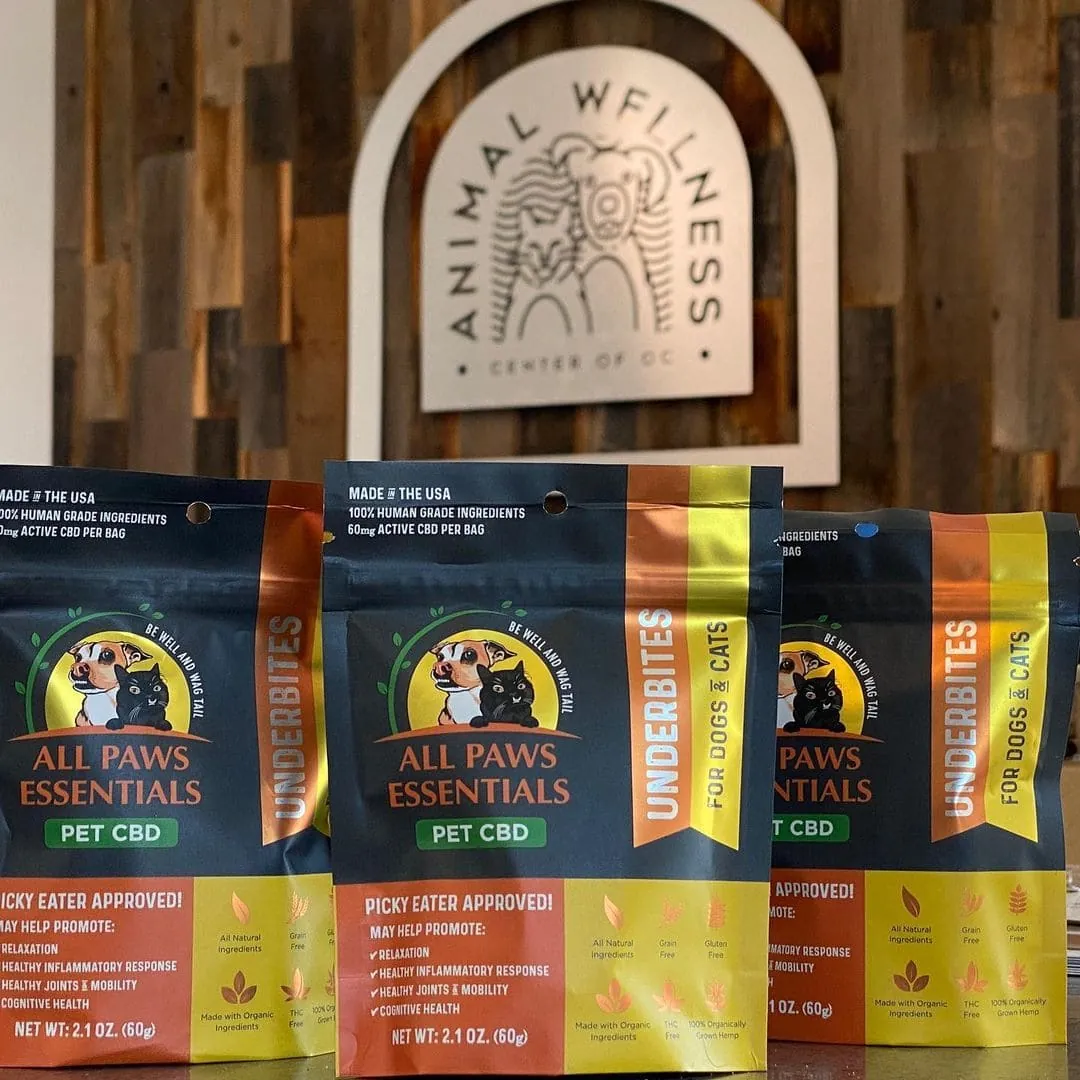
Pet treats should be fresh, made from whole food ingredients and easily digestible.
We recommend a few healthy treats like Underbites Pet CBD treats or other human quality dog treats. These should make up a small portion of your pet’s daily calorie intake (10%).
-
Regular Exercise Routine
Implementing a regular exercise routine is crucial for controlling a pet’s weight. For dogs, this might include daily walks, runs, or play sessions in the park. Cats also benefit from play – interactive toys and activities that mimic hunting behaviors can help keep them active.
Exercise not only helps burn calories but also strengthens the cardiovascular and musculoskeletal systems, helping to prevent the conditions associated with obesity.
Moreover, depending on your pet’s breed, age, and current health condition can significantly influence their physical activity needs. Larger or more active breeds may require more vigorous exercise, while older pets or those with health conditions may need low-impact activities like swimming or gentle walks.
Therefore, dogs aim for at least 30 minutes of walking twice a day, while cats encourage 10-15 minute periods of play a few times each day. Also, find activities you and your pet enjoy, such as exploring the beach, as it will make exercise a fun and rewarding part of the daily routine.
-
Utilize CBD (Cannabidiol) Products.
One of the main factors in managing weight is controlling appetite, which is appetite regulation.
A 2009 study on animal models found that cannabinoids like CBD act at specific cannabinoid receptor sites within the brain. It activates the endocannabinoids, thereby leading to appetite control.
Endocannabinoids play a significant role in regulating eating motivation and appetite suppression.
Although CBD does not directly control appetite, its interaction with the endocannabinoid system (ECS) plays a role here. Hence, it plays a role in appetite regulation.
Another 2011 study revealed the effects of repeated CBD administration on body weight gain in rats.
For 14 consecutive days, the rats received CBD injections at different doses and monitored body weight gains. Both doses of CBD produced a significant decrease in body weight gain.
It is possible the results suggest that CBD can alter body weight gain, possibly via the CB2 receptor. So, CB2 receptors may play a role in body weight regulation.
CBD is an alternative therapy for pet parents to consider when addressing obesity in their furry friends. Therefore, combining CBD with strategies like regular exercise and a balanced diet can contribute to more effective weight management and overall better health for your pet.

-
Consulting a Veterinarian for Guidance
Finally, consulting a veterinarian is essential. A vet can provide a tailored diet and exercise plan based on the pet’s health needs and condition. Also, they will help provide guidance on CBD usage, the appropriate dosage, and choosing a high-quality CBD product.
So, regular check-ups are necessary to help monitor the pet’s weight progress and adjust their diet or physical activity as needed.
Conclusion
Pet obesity is a critical health issue you should not ignore. Excess weight can drastically shorten the lifespan of our beloved animals and diminish their overall quality of life, leading to a range of health problems and limiting their ability to enjoy everyday activities.
Addressing this problem involves a commitment to a balanced diet, regular exercise, and seeking guidance from your veterinarian on your pet’s health.
Therefore, by understanding the causes of pet obesity and actively taking steps to prevent it, pet owners can ensure their furry friends lead happier, healthier lives.