
Bug Off! Solutions for Fleas and Ticks on Dogs
Picture this: your dog, bounding through fields, wagging its tail, and spreading joy wherever it goes. Now imagine those adorable tricks being hijacked by nasty uninvited guests like fleas and ticks. Worry not! about to embark on a quest filled with knowledge, strategies, and even a sprinkle of fun to keep your canine companion itch-freе, happy, and ready for all those exciting walks and belly rubs. Leash up your curiosity, fetch some enthusiasm, and get ready to answer the burning question, “What are the best solutions for fleas and ticks on dogs?“

How to Keep Fleas and Ticks Away from Your Dogs
Fleas and ticks are like the uninvited party crashers of the animal kingdom, except they’re way less fun.
Fleas are tiny, wingless insects that thrive on the blood of their hosts, including our beloved dogs. They’re agile jumpers, capable of leaping impressively high and often making a dog’s life miserable with incessant itching.
Fleas undergo a complete metamorphosis, starting as tiny, worm-like larvae in dark, hidden places, like your dog’s favourite resting spots. They then spin cocoons, becoming pupae, and emerge as bloodthirsty adults.
Fleas are relentless, capable of laying hundreds of eggs in your home, creating a vicious cycle that’s tough to break. Using best antibacterial and antifungal dog shampoo can help to control the fleas to a extent.
Ticks, on the other hand, are arachnids, distant cousins of spiders, and they’ve got a real knack for latching onto our four-legged friends.
These sneaky blood-suckers can transmit diseases like Lyme disease and Rocky Mountain spotted fever, making them, particularly worrisome. Ticks, on the other hand, have a simple but equally sinister strategy.
They lurks in tall grass, shrubs, or trees, waiting for a warm body to brush by. Once they find a host, they attach themselves with specialized mouthparts and feast on blood. Ticks can stay attached for days or even weeks, engorging themselves to several times their original size.
But here’s the silver lining, understanding the sneaky ways of these pests is the first step in protecting your furry friend. Let’s seе some effective prevention strategies.
Prevention Strategies
Some of the best solutions for fleas and ticks on dogs are preventative. Once you have an infestation your options are more limited. Let’s delve deeper into these prevention strategies and provide practical insights for creating an environment that’s far less welcoming to fleas and ticks.
1. Regular Grooming and Inspection
Regular grooming isn’t just about making your dog look good; it’s a vital defence against fleas and ticks.
- Brushing Your Dog: Make brushing a routine, not just for that shiny coat but also to uncover any hidden hitchhikers. Brushing helps remove loose fur and any lurking pests, preventing them from making themselves at home.
- Checking for Signs of Infestation: While you are grooming, pay close attention to your dog’s skin. Look for signs of flea dirt (tiny black specks), redness, or any unusual bumps. Ticks can be trickier to spot but feel for small, hard lumps while running your hands over your dog’s body.
2. Flea and Tick Collars
Flea and tick collars are like your dog’s fashionable armour against pests. These solutions for fleas and tics come with some risk. Here’s what you should know:
- Types of Collars: Collars come in various types, from traditional to newer, more advanced options. Discuss with your vet to find the right one for your dog’s needs.
- Proper Usage and Duration: Follow the instructions to the letter when putting on the collar. Ensure it’s snug but not too tight. Keep an eye on your dog for any signs of discomfort or allergic reactions. Remember, collars have a lifespan; replace them as recommended.
3. Environmental Control
Your home and outdoor spaces are battlegrounds against fleas and ticks. Here’s how to win the war:
- Cleaning and Vacuuming Your Home: Regularly vacuum and clean your home, paying special attention to areas where your dog spends the most time. Empty the vacuum immediately, as fleas can escape and return.
- Treating the Yard and Outdoor Areas: Ticks often lurk in tall grass and shrubs. Keep your yard well-trimmed, and consider using safe outdoor treatments to deter these pests. Remember, a well-kept yard is a less inviting habitat for ticks.
Natural and Home Remedies
You can explore natural and home remedies that work in harmony with your dog’s health. Here are some natural solutions for fleas and ticks on dogs.
Essential Oils
Essential oils such as lavender, cedarwood, and eucalyptus can act as natural repellents. When used correctly, they emit scents that prevent fleas and ticks.
However, it’s crucial to dilute these oils properly and apply them sparingly, as some can be potent and potentially harmful to dogs in concentrated forms. Always consult your vet before using essential oils on your pet, and ensure that the chosen oils are safe for dogs.🌿
Homemade Repellents
Homemade flea and tick repellents can be crafted using ingredients like apple cider vinegar, lemon juice, or a mixture of essential oils and water. These DIY solutions are gentle on your dog and can be applied as sprays or diluted in a bath.
Remember to test a small area of your dog’s skin to check for any negative reactions before applying homemade repellents more widely.
Dietary Supplements
Some dietary supplements, such as brewer’s yeast or garlic, make your dog less appealing to fleas and ticks when ingested.
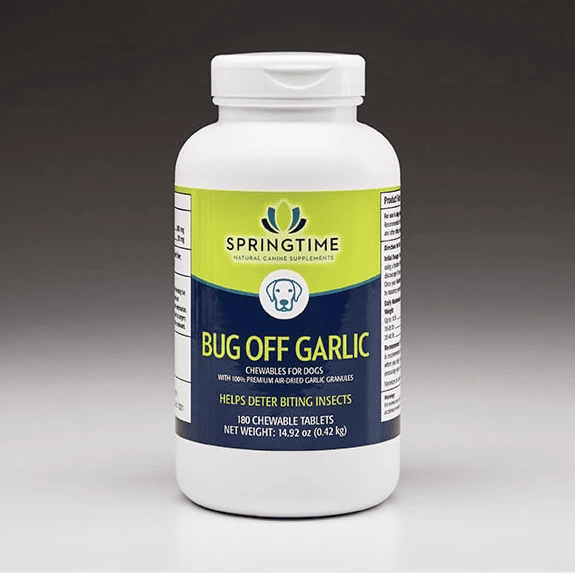
I personally swear by daily garlic supplementation for fleas in the warm months. In fact, with regimented garlic dosage by weight (powdered or fresh chopped) and a cedar spray when we go on walks, I havn’t seen fleas in years. The beauty of garlic is that is puts off a sulfuric smell to bugs but not us. Your dog will smell like a pizzeria for a few hours after eating but the benefits are worth it. This way I don’t have to compromise and use pesticides on my dogs.
Extra Note:
When I started using garlic I was nervous because some vets had said it is toxic. Unlike onions, It is in fact, not toxic. I even went as far as to test my dogs for anemia months into the process to verify. All my dogs are healthy and flea free.
Signs of Infestation
Remember, early detection and intervention are key to addressing flea and tick issues effectively and ensuring your dog’s health and comfort. Identifying Fleas and Ticks on Your Dog:
- Flea Infestation: Watch for excessive itching, scratching, and chewing, which can lead to skin irritation and hair loss. Flea bites may cause red, inflamed skin.
- Tick Infestation: Ticks can transmit diseases, so monitor for symptoms such as fever, lethargy, lameness, or joint pain. Localized swelling may also occur at the tick attachment site.
When to Consult a Veterinarian
If you suspect a flea or tick infestation, it’s advisable to contact your veterinarian promptly for guidance and treatment options.
Seek immediate veterinary attention if you find multiple ticks on your dog or if your dog exhibits signs of tick-borne diseases such as Lyme disease or anaplasmosis.
Caution about the potential danger
Flea and tick prevention are vital, but it’s equally crucial to be aware of the potential risks associated with certain chemical-based products. Here’s a detailed look:
- Risks of Chemical-Based Products: Many over-the-counter and prescription flea and tick products contain chemicals such as pyrethroids, organophosphates, or neonicotinoids. While effective, these chemicals can pose risks to your dog if not used correctly.
- Adverse Reactions: Some dogs may have adverse reactions to these chemicals, including skin irritation, rashes, itching, or gastrointestinal upset. In severe cases, exposure can lead to seizures, tremors, or even organ failure.
- The Importance of Reading Labels: Always read product labels carefully before use. Pay attention to dosages, application instructions, and any age or weight restrictions. What works for one dog may not be suitable for another, so choose products tailored to your dog’s specific needs.
- Follow Instructions Diligently: Following product instructions is crucial. Never use a product intended for dogs or cats, and vice versa. Applying more than the recommended dosage or using multiple flea and tick products simultaneously can increase the risk of toxicity.
- Regular Monitoring: After applying any product, monitor your dog for several hours to ensure there are no immediate adverse reactions. If you notice any unusual behaviour or symptoms, contact your veterinarian immediately.
Before introducing any new flea or tick product into your dog’s routine, consult your veterinarian. They can offer guidance on the safest and most effective options based on your dog’s age, health status, and lifestyle.
Treatment Options
By following these treatments you can help ensure your dog remains safe and freе from fleas and ticks:
- Prescription Medications: Consult your vet for prescription flea and tick medications tailored to your dog’s needs, which are often highly effective and long-lasting, albeit with consideration for potential negative side effects.
- Over-the-counter remedies: Consider vet-recommended over-the-counter products like spot-on treatments and oral medications. Follow the dosing instructions carefully.
- Flea Collars: Some collars provide continuous protection, releasing active ingredients to kill and repel fleas and ticks. Ensure they fit snugly but comfortably.
- Regular Baths: Use dog-friendly flea and tick shampoos during baths to eliminate existing pests and provide temporary protection.
- Regular Vacuuming of Bedding, Carpet, and Rugs: This is often overlooked but frequent cleaning kills the eggs and pupae, keeping the overal potential population at bay.
- Brushing: Frequent brushing helps remove pests and spot signs of infestation early, especially in long-haired breeds. Keeping your dog’s fur shorter can make it harder for fleas and ticks to hide.
- Tick Tweezers: Invest in tick removal tweezers or a tick key. Grasp the tick close to the skin’s surface and pull steadily upward. Don’t crush the tick’s body or leave its mouthparts embedded. Clean the area with antiseptic after removal.
- Regular Checkups: Include flea and tick prevention discussions in your dog’s routine vet checkups. Stay up-to-date on new prevention methods and products to adapt your strategy as needed.
Conclusion
Remember, the battle against fleas and ticks is a journey, not a sprint!
Armed with knowledge, preventive measures, and the love for your canine companion, you’re on the path to a pest-freе, tail-wagging adventure.
Stay vigilant, stay positive, and keep those cuddles coming!