
Managing Doggie Dementia: Symptoms, Signs, & Treatments
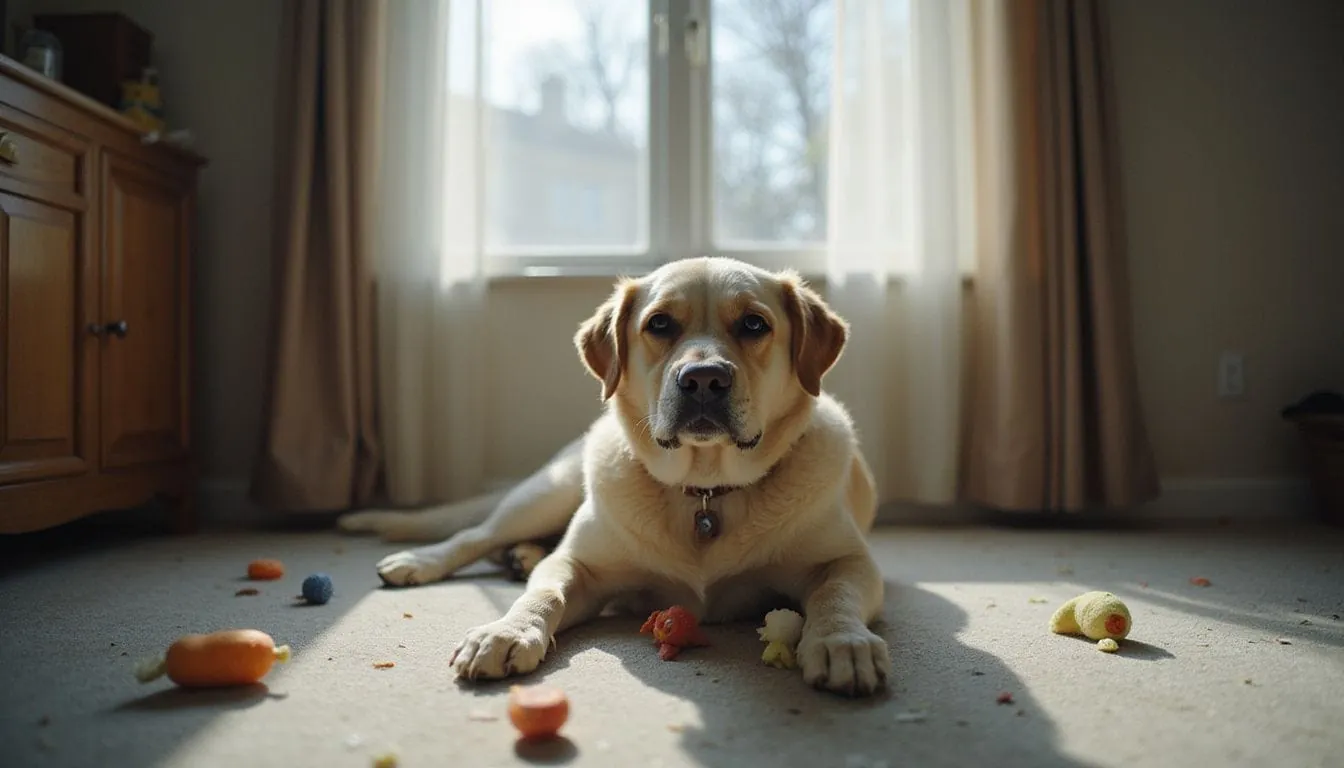
Is your devoted furry companion exhibiting unusual behavior? If they seem confused, forget where their toys are, or have started having accidents inside, it’s understandable to feel concerned. After all, our pets are considered family members, and witnessing changes in their behavior can be distressing.
Research shows that a large proportion of elderly dogs suffer from what is colloquially known as doggie dementia. In fact, around 60% of dogs older than seven years begin to manifest symptoms of this condition. We have thoroughly investigated the causes, symptoms, and management strategies for this ailment to better support your dog during these difficult times.
By continuing to read this post, you will find effective and straightforward strategies to help your canine companion navigate the challenges associated with this condition.
Key Takeaways
- Dog dementia is akin to Alzheimer’s in humans and generally affects older dogs; notably, 60% of dogs over the age of seven show signs of this condition.
- The symptoms can vary and include confusion, altered sleep patterns, and indoor accidents, with some dogs appearing lost or showing signs of increased anxiety.
- This condition is caused by changes in the brain, such as the buildup of plaque, though genetics and previous head injuries can also play a role.
- Diagnosis of dog dementia is made by veterinarians through comprehensive examinations and specific tests that rule out other health issues.
- A variety of treatments are available, ranging from medications and supplements to therapeutic interventions. Products like CBD for Dogs from All Paws Essentials may help alleviate anxiety; however, it is vital to consult your veterinarian before beginning any new treatments.

What Is Dog Dementia?
Indeed, it’s a hard reality to accept, but dogs can develop dementia, similar to humans. This condition, known as canine cognitive dysfunction (CCD), primarily affects senior dogs and impairs their mental abilities.
As we watch our beloved pets age, it becomes increasingly challenging to manage their health issues, including CCD. This condition dramatically changes their behavior, often causing them to become disoriented or seem lost even in familiar settings. Emerging treatments, such as CBD for dogs, are becoming popular.
Notably, All Paws Essentials offers enticing CBD dog treats that may help alleviate some symptoms, making life more comfortable for our canine companions.
Common Symptoms of Dog Dementia
Dementia can change your dog. Look for these signs in your furry friend.
Disorientation
It’s heartbreaking to see dogs lost in places they once knew well. Your buddy might get stuck behind furniture or stand staring at walls, clear indicators of cognitive dysfunction. Often, they exhibit confusion or fail to recognize familiar faces and doorways.
We’re here to help you navigate this challenging time with your dog.
Changes in social interactions
A dog with dementia may no longer greet you at the door or might show decreased interest in playing. Their responses can become more guarded; they might snap or shy away from affection easily.
As the condition progresses, these changes in social behavior can become more apparent—perhaps withdrawing from loved ones or appearing bewildered around new people.
Altered sleep/wake cycles
Another symptom to look out for is disruption in sleep patterns. Perhaps your dog is sleeping more during the day and becoming restless at night? This issue, known as sundowning, is prevalent in older dogs whose internal clocks may be misaligned, causing them to pace or whine throughout the night. Ensuring they get a good night’s sleep is vital for their health.
House soiling
House soiling is another concern.
Even dogs that were perfectly trained previously might begin having accidents indoors. This isn’t related to behavior; it’s possible they forget where to go or can’t hold it in as long. This aspect can be challenging for everyone, but showing a little extra patience can make a significant difference.
You might want to consider more frequent potty breaks or using doggie diapers for those in need.
Increased anxiety or restlessness
Lastly, increased anxiety is a symptom that may manifest as pacing, whining, seeming scared, or trembling more often—usually more pronounced at night. Additionally, some dogs might become clingier or show irritation more readily than before.
Does CBD help? Yes it can, just make sure you chat with your vet first.
Frequent house soiling could also indicate the extent of canine dementia’s impact on your dog’s daily routines.
Causes of Cognitive Dysfunction in Dogs
Canine cognitive dysfunction (CCD), or dog dementia, arises from multiple factors. As dogs grow older, their brains undergo changes similar to those in humans, including the accumulation of beta-amyloid protein which forms plaques. These plaques interfere with the communication between brain cells and contribute to their deterioration.
Additionally, aging can result in diminished blood flow to the brain, preventing it from receiving adequate oxygen and nutrients. This issue is compounded by the presence of free radicals, unstable molecules that further damage brain cells over time.
Beyond these physiological changes, other factors also influence the onset of CCD. Genetic predispositions may make certain dogs more vulnerable to developing CCD. Trauma to the head is another potential contributing factor.
Research indicates that over half of dogs aged 11 and older display at least one symptom of CCD. Notably, a dog’s diet and exercise regimen are crucial; a healthy lifestyle can help safeguard brain health as dogs age.
Overall, CCD is a multifaceted condition with various contributing elements.
How to Diagnose Dog Dementia
If you suspect your furry friend is suffering from dog dementia, it’s essential to seek a proper diagnosis, which begins with a visit to the veterinarian.
During the visit, the vet will conduct a comprehensive examination of your pooch and may also request specific tests. These are crucial in confirming whether the symptoms are indeed due to dementia, by ruling out other potential health problems, ensuring that we can deliver the best possible care for dogs facing cognitive challenges.
Treatment Options for Dog Dementia
Want to help your dog? There are ways to ease their struggles.
Medications
Medications can significantly aid dogs suffering from dementia by enhancing brain function. Anipryl, for instance, is known to improve cognitive function in some dogs, effectively managing signs of cognitive dysfunction.
These medications are most effective when used in conjunction with other treatments. Consulting with your veterinarian will help you develop an appropriate treatment plan customized to your dog’s needs.
Dietary supplements
In addition to medications, dietary supplements can play a crucial role in supporting brain health in dogs with canine cognitive dysfunction. Many of these supplements are rich in antioxidants, which combat cellular damage. For instance, omega-3 fatty acids, which can be found in products like omega-3 fatty acids, are reputed to enhance brain function.
Research indicates that supplements such as SAMe, an antioxidant, have shown improvements in cognitive functions. Supplements containing vitamins E and C are also beneficial as they help protect the brain.
However, it’s crucial to consult with your vet before introducing any new supplements to your dog’s regimen.
Behavioral therapy
Behavioral therapy is another important avenue in supporting dogs with dementia. It focuses on reshaping behaviors by addressing detrimental habits and helping dogs adjust to confusion and memory loss.
Establishing consistent routines is a key component, as it helps provide a sense of security. Reward-based systems can encourage desirable behaviors, while simple training exercises can help keep their minds engaged. These techniques also include strategies to reduce anxiety and improve overall daily well-being.
Exploring CBD as a Treatment Option for Dog Dementia
We’ve identified another promising route – CBD – for treating our four-legged buddies suffering from dog dementia. There’s compelling evidence that CBD not only soothes their anxiety but also reduces inflammation, which is a significant benefit.
In 2020, research demonstrated that CBD boosted activity levels and improved sleep patterns in senior canines. Given these findings, we’re hopeful that using CBD oil could potentially improve their cognitive functions.
However, before we move forward, it’s crucial to consult with our veterinarian. They will help us determine the best dosage, considering the size and overall health of your pooch. Plus, veterinarians are usually up-to-date with the latest research, ensuring you get accurate and current information.
Conclusion
Watching our dogs grow older is challenging. By understanding the signs of aging, we can better guide their care. Whenever these signs appear, it’s crucial for us to intervene and support our furry companions.
This ensures they continue to live joyfully, regardless of conditions like dementia.
FAQs
1. What are the telltale signs my dog might have canine cognitive dysfunction?
Look for changes like your dog getting lost in familiar places or staring at walls. They might also forget routines or show less interest in play.
2. How do I know if it’s really dementia or just normal aging?
If your furry friend starts acting out of sorts, not just slowing down but seeming confused about basic things, it could be more than just getting older.
3. Are there treatments available for dogs with this condition?
Yes, there are ways to manage the symptoms. Your vet might suggest special diets, medications to ease symptoms, and activities that keep their mind sharp.
4. Can I prevent my dog from developing dementia?
Keeping them physically active and mentally engaged can help stave off symptoms. Regular check-ups with the vet will catch any early warning signs too.