
CBD Oil For Dogs With Hip Dysplasia: Pain Management And Mobility Tips

Watching dogs with hip dysplasia struggle is hard. You may notice your dog limping, moving less, or seeming unhappy. Many owners feel lost and want safe ways to help their pets manage pain and move better.
Hip dysplasia affects dogs of all sizes but hits larger breeds the hardest. It makes daily life tough for both you and your furry friend.
This blog will break things down in simple steps. It covers what hip dysplasia is, common symptoms, and how it’s diagnosed. We’ll look at common treatments, including CBD oil for dogs from trusted brands like All Paws Essentials.
You will also get tips on choosing CBD Dog Treats, using CBD Oil for Dogs for pain or anxiety relief, making diet changes, and picking easy exercises.
Key Takeaways
- CBD oil can help dogs with hip dysplasia by easing pain and reducing inflammation. It works naturally with the dog’s body and many owners see their pets become happier and more mobile.
- Managing weight through diet is critical for dogs suffering from hip dysplasia. Being even 10% overweight can worsen joint problems, so feeding your dog the right food in proper amounts is important.
- Gentle exercises like swimming or short walks on soft grass support mobility without putting too much stress on painful joints. Physical therapy may also improve a dog’s condition by relaxing sore muscles.
- Dogs with severe hip dysplasia might need surgery to relieve pain and improve movement. The cost varies widely, but it can be a good option for some pets.
- Always consult a vet before introducing new treatments like CBD oil or changing your pet’s routine, especially when managing conditions like hip dysplasia.
Understanding Canine Hip Dysplasia
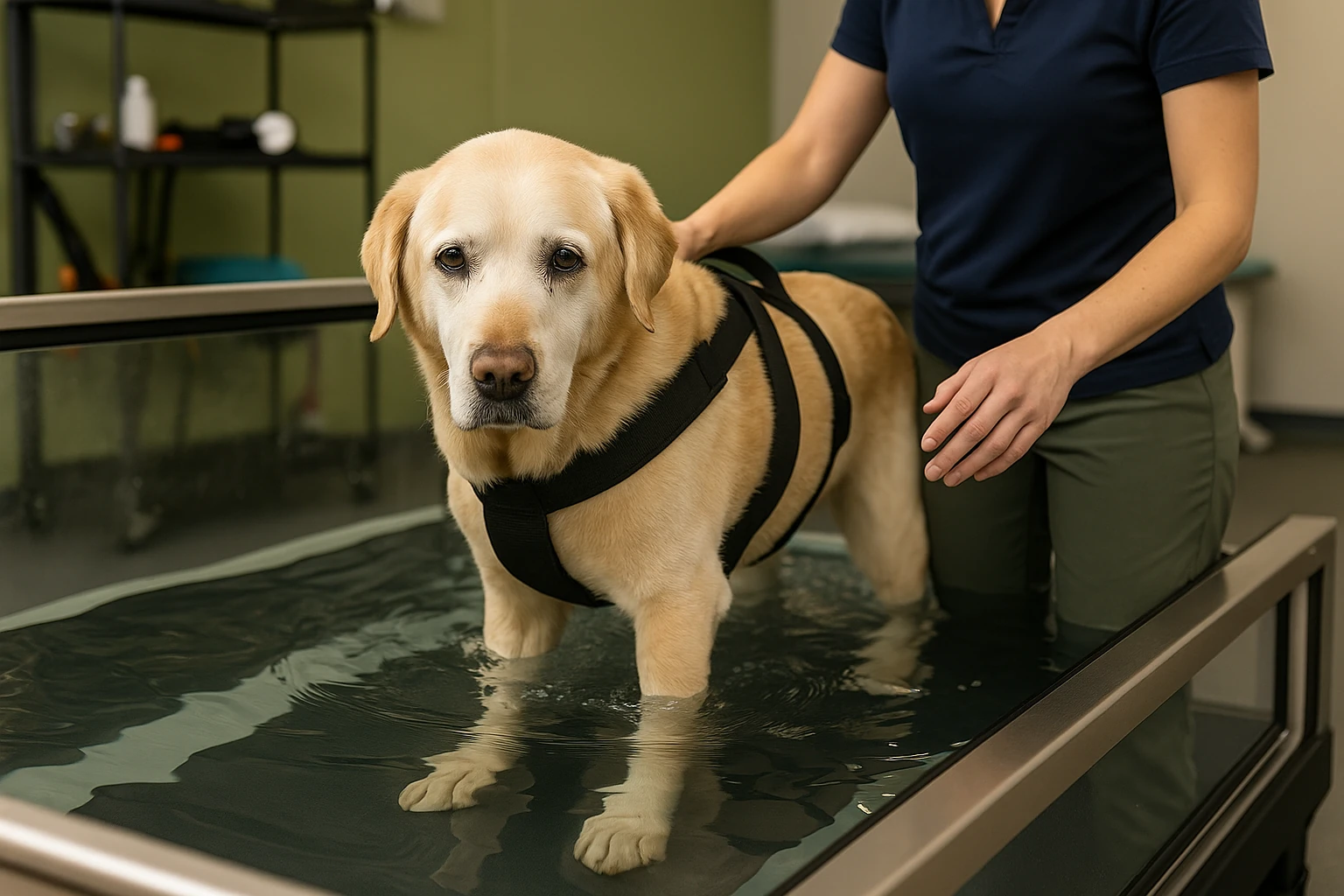
Hip dysplasia can make it hard for dogs to walk, run, or even stand up. Many pet owners notice changes in how their dog moves and acts before they learn more about this joint problem.
What Is Hip Dysplasia in Dogs?
Hip dysplasia happens when a dog’s hip joint does not grow the right way. The bones grind against each other instead of sliding smoothly. This common skeletal issue shows up most often in large breeds like Great Danes, Saint Bernards, Labrador Retrievers, and German Shepherds.
Genetics play the biggest role in this condition, but obesity and poor nutrition make it worse. Fast growth due to too much exercise or food can add extra stress on young joints. Breeding dogs should have hips graded by the Orthopedic Foundation for Animals (OFA), with “normal” as the lowest acceptable grade.
Common Symptoms and Diagnosis
Dogs with hip dysplasia often slow down or lose interest in play as early as four months old. Many dogs struggle to rise from the floor, jump onto furniture, run during walks, or climb stairs for daily routines.
This pain can cause limping and a bunny-hopping walk. Sometimes you might hear joints make a grating sound when your dog moves around. Over time, thigh muscles shrink while shoulder muscles get bigger because your pup shifts weight forward.
A vet looks at several things to diagnose this condition. The doctor starts with a full physical exam and asks about your dog’s health history and past activities. Blood tests help rule out other problems that could look similar to hip dysplasia.
X-rays offer a clear picture of changes inside the joint; these images show if arthritis has started or if the bones do not line up well. Early diagnosis gives more options for care and pain management before severe damage builds up later in life.
Treatment Options for Hip Dysplasia
Dogs with hip dysplasia need a treatment plan that fits their unique needs and daily life. Choices can range from home care to advanced help from your vet, opening paths for comfort and better movement.
Medical Management
Weight loss plays a big role in helping dogs with hip dysplasia feel better. Shedding extra pounds reduces stress on their sore hips. Daily walks or gentle play can help keep weight down, but talk to your vet first about safe activities for your furry friend.
Vets often suggest joint supplements like glucosamine and chondroitin to support hip health. Anti-inflammatory medicines or drugs that protect joint fluid may also be needed for pain relief.
Each dog’s needs are different, so a custom plan works best.
Surgical Interventions
Dogs with severe hip dysplasia may need surgery. For puppies under 18 weeks, vets often suggest Juvenile Pubic Symphysiodesis. It helps prevent later joint problems. Triple Pelvic Osteotomy or Double Pelvic Osteotomy can help dogs under 10 months by changing the way their hips fit.
Older dogs sometimes get a Femoral Head Ostectomy, where the top of the thigh bone is removed to create a false joint. Other pets might need a Total Hip Replacement to swap out the entire hip joint with an artificial one.
Total Hip Replacement costs usually range from $1,500 to $7,000 but often brings great relief and better movement for many dogs.
The Role of CBD Oil in Pain Management
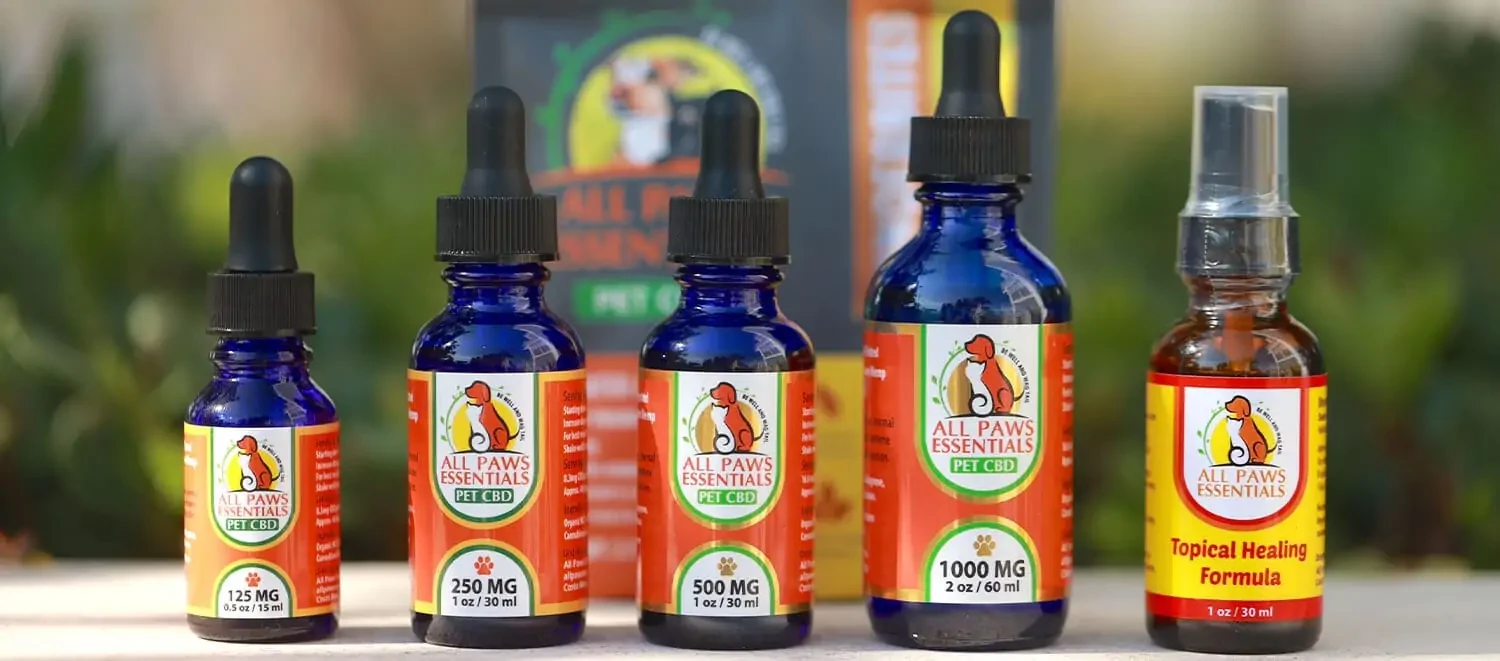
CBD oil works with your dog’s body to ease pain and keep them comfortable. Many pet owners notice their dogs seem happier and more relaxed after starting CBD—curious how it all works? Read on.
How CBD Oil Helps With Pain Relief
CBD interacts with a dog’s endocannabinoid system, helping to calm nerves, reduce inflammation, and ease pain. Many pet owners start with a dose of 0.2 mg per kilogram of body weight, given twice each day for the best effect.
This natural oil may help dogs feel more comfortable as they move around or rest. Some dogs might have mild side effects like drowsiness, dry mouth, or changes in appetite. Most dogs tolerate CBD well when used as directed for hip dysplasia and other joint pain issues.
Anti-inflammatory Properties of CBD
CBD oil may help ease swelling and pain in dogs with hip dysplasia. It works by interacting with the endocannabinoid system, which controls inflammation in the body. Many pet owners use CBD to manage discomfort in their pets.
Studies suggest that CBD’s anti-inflammatory effects can make movement easier for dogs. With less joint swelling, your dog might walk or get up more comfortably. These calming effects on inflammation offer extra support along with regular vet care and other treatments for hip dysplasia.
Mobility Tips for Dogs With Hip Dysplasia
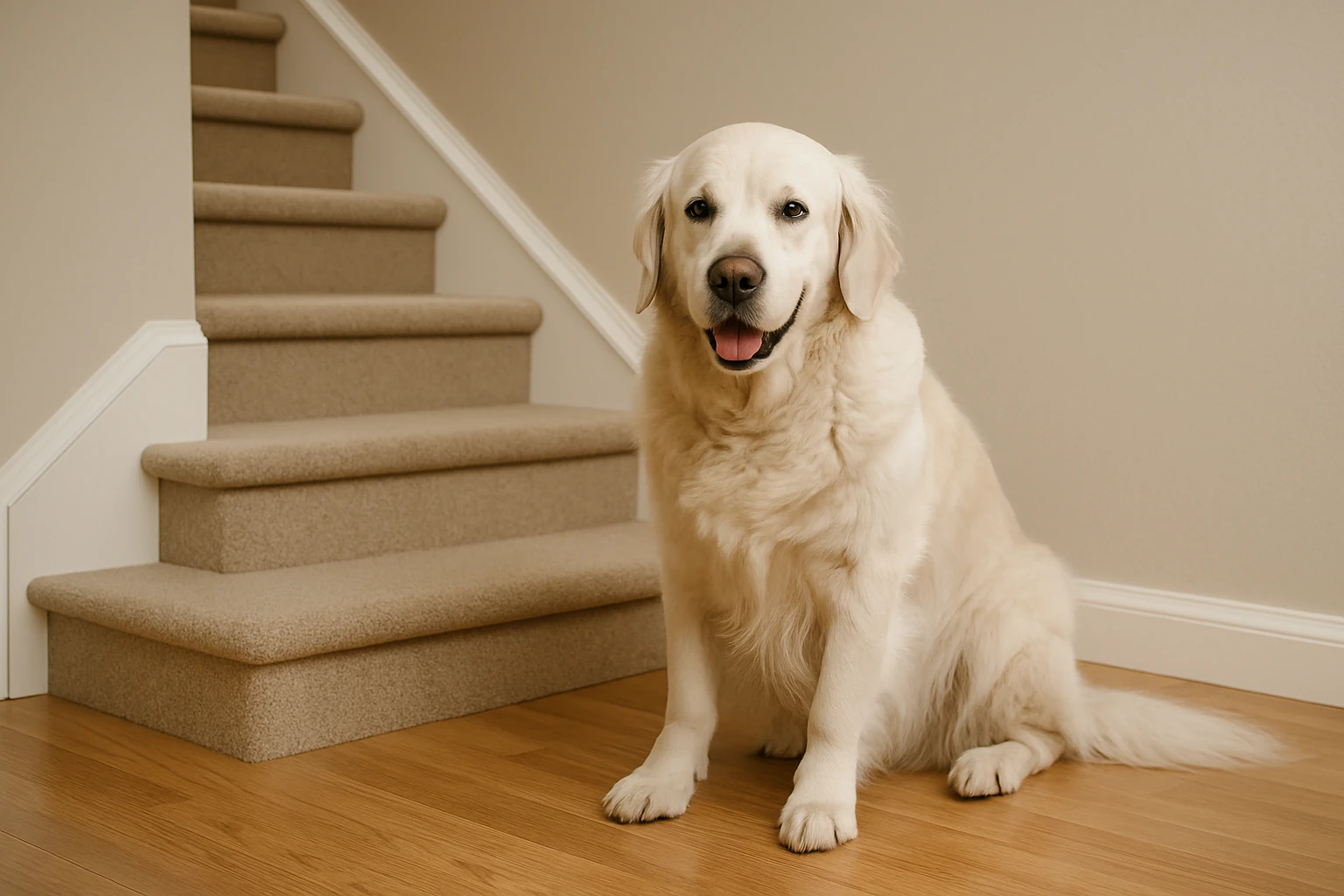
Helping your dog stay active and comfortable takes patience, but small changes can make daily life easier. There are gentle ways to support movement and keep those tails wagging just a bit longer—read on for helpful tips.
Weight Management and Diet
Keeping your dog at a healthy weight makes a big difference for hip dysplasia. Too much weight puts extra stress on sore hips and joints, which leads to more pain and swelling. Studies show that just being 10% overweight can increase joint problems in dogs.
Preventing obesity is one of the best ways to slow down hip issues.
Feed your dog good quality food that matches their age and size. Puppies need the right balance of calcium and nutrients so their hips grow strong. For adult dogs, choose diets low in fat but high in muscle-supporting protein.
Watch portion sizes, use healthy treats like carrots or green beans, and measure meals using a cup instead of guessing by eye. Regular check-ins with your vet help track progress and adjust your dog’s diet as they get older or less active due to hip pain.
Low-impact Exercises and Physical Therapy
Short walks on soft grass, swimming in a calm pool, and gentle stretching can all help dogs with hip dysplasia. These low-impact exercises keep your dog moving without putting too much stress on sore joints.
Swimming is a good choice because water supports the dog’s body weight and makes movements easier. Try to avoid high jumps or sharp turns during play.
Physical therapy goes hand in hand with these exercises. A trained therapist may use massage or special stretches to help sore muscles relax. Some clinics also offer treatments like acupuncture or stem cell therapy for extra comfort.
Regular check-ups every six months let your vet adjust the plan as needed to fit your dog’s needs and progress.
Conclusion
CBD oil may offer real comfort to dogs with hip dysplasia. It can help ease pain and calm swelling, making it easier for your dog to move. Small changes, like a healthy diet and gentle exercise, also matter a lot.
Always talk with your vet before starting new treatments. A caring approach gives your dog the best chance at a happier, more active life.
FAQs
1. What is CBD oil and how can it help dogs with hip dysplasia?
CBD oil, short for cannabidiol, is a product derived from hemp. For dogs suffering from hip dysplasia, it may provide relief by managing pain and improving mobility.
2. Is CBD oil safe to use in dogs?
Yes, when used properly, CBD oil is considered safe for dogs. However, it’s important to consult with a vet before starting any new treatment plan.
3. How does CBD oil improve my dog’s mobility if they have hip dysplasia?
CBD oil works by interacting with the endocannabinoid system in your dog’s body which helps regulate pain and inflammation levels thus potentially reducing discomfort associated with movement.
4. Where can I get quality CBD Oil for my dog?
You can find high-quality CBD oil for dogs right here at All Paws Essentials. We offer a variety of CBD oils in different strengths to support dogs at every stage. Whether they’re managing joint discomfort, anxiety, or general wellness. All of our products are veterinarian-formulated, third-party tested, and made with your pet’s safety in mind.
My 12year old terrier wolfhound having problems standing,walking,Don’t to hips