
Why Dogs with Pica Eat Non-Food Items – and Possible Solutions
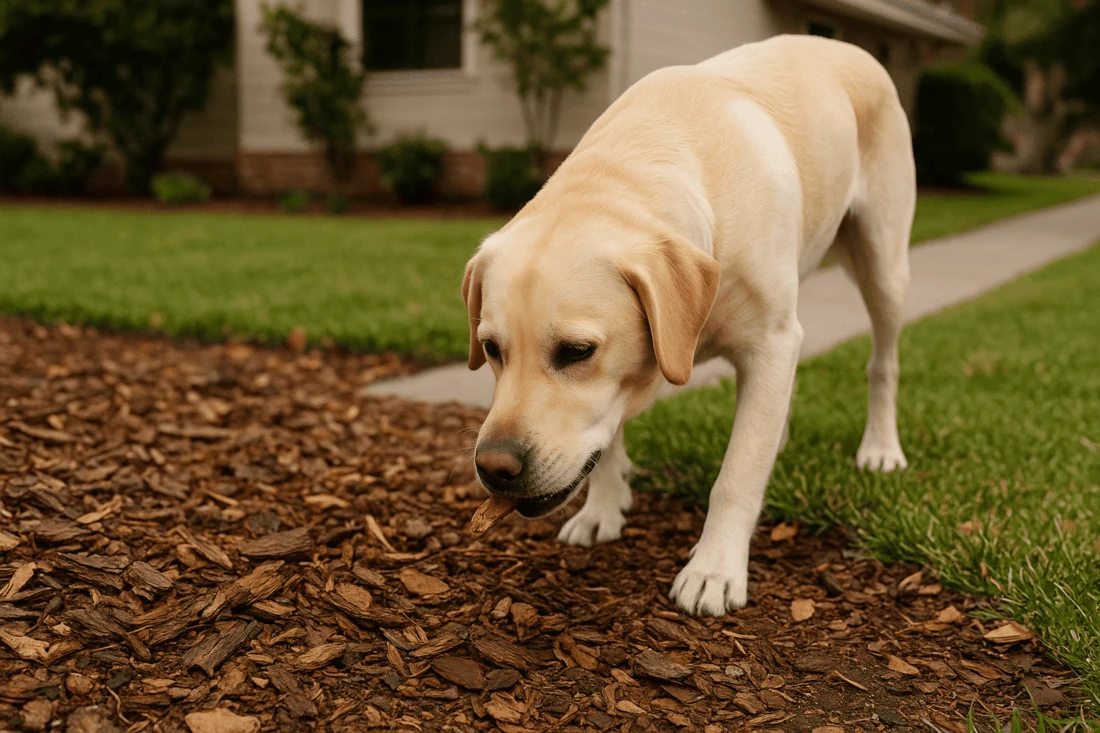
Have you ever caught your dog chewing on something that clearly isn’t food? Maybe your dog has developed a strange taste for socks, rocks, or even bits of paper. Many pet owners deal with this concerning behavior called pica in dogs.
The good news is that figuring out why dogs with pica eat non-food items is the first step to helping them stop.
If you see your dog chewing things they shouldn’t, you might feel frustrated. Scolding, hiding objects, or changing food may not work until you discover the real cause.
In this post, we’ll examine the causes of pica in dogs, how to identify the warning signs, and the best ways to manage this behavior. This way, you can protect your dog.
What Is Pica in Dogs?
Pica is a disorder that drives dogs to eat non-food substances. It may involve eating just about anything, including socks, rocks, plastic, paper, and more.
A 2024 Rover survey of 1,000 dog parents revealed that a whopping 73% of dogs exhibit pica behavior.
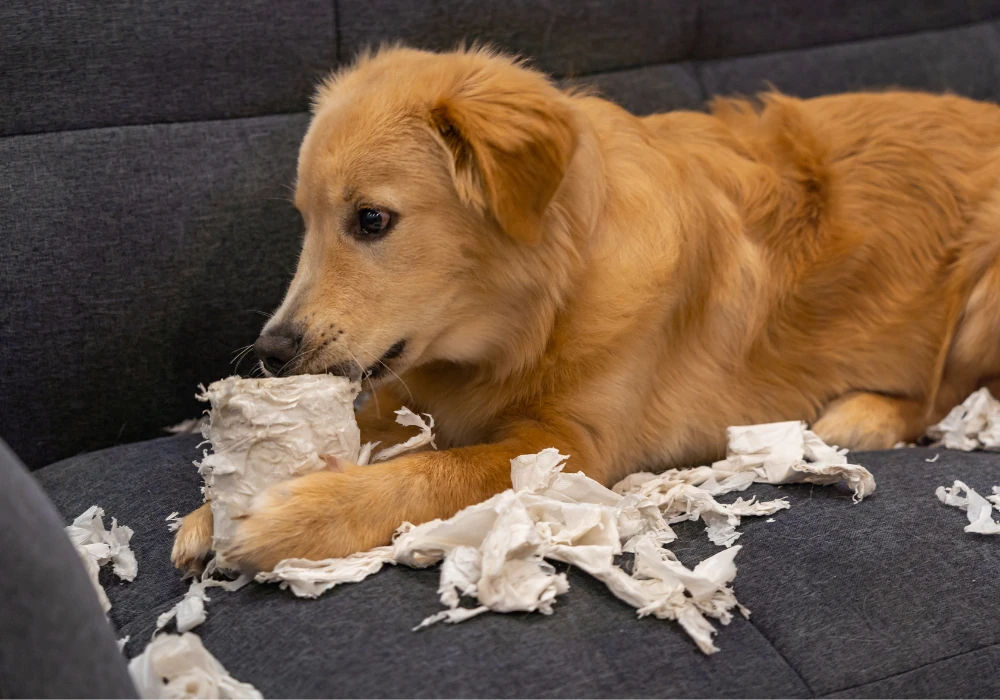
The most commonly ingested items are paper (43%), followed by toilet roll (36%), their own dog toys (32%), and plants (27%).
More than half (66%) of pet parents say they’ve had to remove certain items from their home or lock these objects away (67%), for fear of their dog eating them. Meanwhile, 42% admit they have felt unable to leave their dog alone, while 1 in 3 (32%) pet parents have even installed cameras to keep an eye on their dogs.
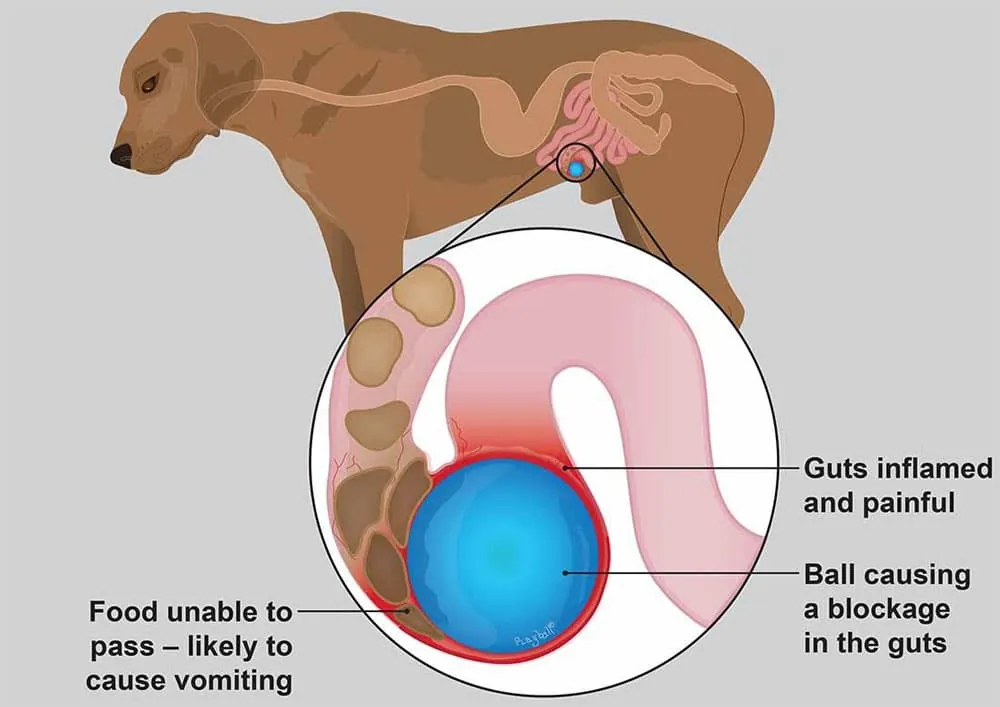
Also, despite pica being a common behavior in dogs, only a third (33%) of pet parents claim to have heard of it, with nearly half (48%) unaware of the potentially dangerous outcomes.
The Causes and Reasons Behind Pica in Dogs
-
Nutritional Deficiencies
A leading cause of pica in dogs is nutritional deficiency. If a dog is deficient in specific essential nutrients or minerals in their diet, they will sometimes look for those nutrients in other sources. The diversification and quality of microbiota or good bacteria in the gut should also be looked at for dogs with pica.
-
Anxiety
Situations like moving to a new home or changes in their daily routines can trigger this anxiety. Some dogs eat non-food items to cope with these feelings. Behavioral training and creating safe, calming environments can help reduce stress-related pica.
-
Environmental Influences
Dogs that often feel bored or lack stimulation may chew on non-food items out of curiosity or need for entertainment. Providing your dog with plenty of toys, playtime, and interaction can help reduce boredom-related pica.
-
Medical Conditions
Dogs with certain medical conditions, such as gastrointestinal disorders, anemia, or diabetes, may be driven to eat unusual things. Parasites are also a possible culprit, which can make dogs eat all sorts of things as a result of intestinal instability or discomfort.
A 2025 study found that a significant number of animals with pica and foreign bodies demonstrated evidence of chronic enteropathy. Chronic enteropathy is a group of gastrointestinal diseases.
So, pica should be viewed as a potential clinical sign of chronic enteropathy in dogs, and this study clearly demonstrates that gastrointestinal disorders are a major driver of pica in dogs.
-
Teething in Puppies
The teething stage can lead to pica as pups explore their surroundings and seek relief from gum pain. Young dogs often chew on different objects to ease this discomfort. Providing suitable chew toys can help puppies through this phase.
A 2019 study review revealed that younger dogs had higher odds of exhibiting pica than older (adult) dogs.
-
Attention-Seeking Behavior
If your dog discovers that chewing or eating non-food items makes you pay more attention to them, they could start doing that. Just be sure to reward good behavior and give plenty of attention so as not to reinforce the bad attention-seeking pica behavior.
Recognizing Pica Symptoms
Physical Signs in Dogs
– Gastrointestinal distress: If your dog frequently vomits or has diarrhea, it may be due to eating something they shouldn’t.
– Poor coat condition: Malnutrition from pica can result in a dull, brittle coat or excessive shedding.
– Weight loss: Eating non-food items can prevent your dog from getting the nutrients they need, leading to weight loss.
– Mouth injuries: You might see cuts or abrasions in your dog’s mouth, tongue, or gums from chewing or swallowing hard objects.
Behavioral Changes to Watch For
– Increased appetite for non-food items: Keep an eye on what your dog eats during walks or at home.
– Chewing on unusual objects more often: This isn’t only due to boredom; it could be an obsession.
– Restlessness or anxiety: Dogs with pica may appear more anxious or restless because of the discomfort from eating non-food items.
– Avoidance behaviors: Your dog might begin to hide from you when engaging in pica behavior.
Which Dog Breeds Are Most at Risk for Pica in Dogs
Although pica can occur in any dog, some breeds are possibly more prone to it compared to others.
– Labradors and Golden Retrievers: These breeds love carrying things around, but sometimes they take it too far.
– Beagles: Their strong sense of smell and endless curiosity can lead them to explore tastes they shouldn’t.
– Dachshunds: Their playful nature and intelligence can cause them to chew out of boredom or anxiety.
– Bulldogs and French Bulldogs: These breeds may eat non-food items as a way to deal with the oral or respiratory problems they often have.
Common Non-Food Items Dogs with Pica Eat
Dogs with pica might find themselves attracted to a wide variety of things, some of which can sound quite strange. Here are some of the most common non-food items consumed:
– Thread and string: These are often bits of dental floss or sewing materials.
– Socks and shoes: Ever see a dog cheekily running off with a sock? Some take it a bit too far.
– Rock and Stones: It may look unappetizing, but pica dogs are more likely to eat stones or rocks as a non-food item.
– Wood: Bark, sticks, or even furniture legs may be nibbled on by the dog.
– Plastic items: Bags, wrappers, and toys can be easily mistaken for a chewy treat in a dog’s eyes.
– Paper Products: Books, toilet paper, and cardboard are often the targets of dogs with pica.
Solutions to Manage Pica in Dogs
While managing pica might not be a one-size-fits-all process, the following solutions often prove beneficial.
-
Providing a Balanced Diet
Pica is often related to nutritional deficiencies. Sometimes, dogs might eat non-food items because their meals lack essential nutrients, or lead to inflammatory issues. Feed your dog high-quality fresb food, avoid processed commercial diets (kibble) or consider adding supplements like multivitamins or minerals if your vet recommends them.
- Your Dog’s Gut and Microbiome
On top of a high quality diet, you may need to supplement your dog’s diet to improve the quality of their gut microbiome. Their are many probiotics on the market. Our favorite are from Adored Beast Apothecary. However, a new way to treat microbiome imbalances is available from a company called Animal Biome. They are revolutionizing gut health using fecal transplants fed in capsules. More and more vets are suggesting this as an option for allergies, gut issues, and even behavioral issues like pica.
-
Mental Stimulation, Stress Reduction, and Physical Exercise
Dogs sometimes eat non-food items because they have too much energy or are bored. They need activities that challenge both their minds and bodies. A calm, safe environment helps lower stress, which can lead to pica. If anxiety is an issue, think about consulting a dog behaviorist for relaxation techniques.
Use interactive toys, regular exercise, and training sessions to keep your dog interested. Training engages their mind and strengthens your connection. Puzzle toys can keep them busy, while daily walks or games help burn off extra energy that might cause pica.
-
Natural Deterrents
Sometimes a dog’s pica behavior is just a habit. Use natural bitters or other deterrents on the non-food items your dog tries to eat to keep them away. Just make sure the deterrent is safe for pets.
This can involve using natural bitter agents, like citrus oils from lemons or oranges, which can be infused into chew toys. This makes the toys unappealing and discourages your pet from chewing them destructively.
Dogs dislike objects with bitter substances. They will link the bitter taste to the object and avoid it, helping to reduce pica.
-
CBD as a Possible Solution to Pica in Dogs
In recent years, CBD has become popular as a possible remedy for various behavioral problems in pets, including pica. Its calming effects might help ease anxiety-driven pica.
One major benefit of CBD for dogs with pica is its ability to reduce anxiety and stress. Dogs that chew on non-food items because of anxiety might find relief after regularly taking CBD, which can help them remain calm and focused.
In a Cornell study, dogs were given CBD chews prior to a stressful event, and 83% showed a decrease in stress or anxiety-related behaviors.
In the trial, dogs were randomly given a CBD product or a placebo for four weeks. The results were encouraging, showing 65% of the CBD dogs having at least a 50% decrease in itching and chewing.
Additionally, CBD can help relieve pain or discomfort, which may be beneficial if your dog’s pica is linked to underlying physical problems.
A 2023 study revealed that canine osteoarthritis (OA) is a degenerative joint disease in dogs that causes pain. CBD was considered safe for dogs with OA and may reduce pain scores and increase comfort.
CBD might also affect the digestive system, soothing the stomach and potentially reducing the urge to eat inappropriate items. This could be especially helpful if pica is a result of gastrointestinal issues.
By taking a holistic approach and combining these strategies, you can effectively manage your dog’s pica behavior.
Conclusion
Pica can be a confusing condition for dog owners, but understanding its origins can help manage it. Whether it’s caused by stress, boredom, nutritional gaps, or a health issue, identifying the cause is the first step in addressing the behavior.
You can provide a balanced diet to meet your dog’s nutritional needs. Engage your dog in both mental and physical activities, and consider using CBD products. While CBD is not a miracle solution, it can be a helpful part of managing the dog’s stress levels and reduce uncomfortable inflammatory conditions that contribute to pica.
Always keep an eye on your dog’s behavior, and consulting a veterinarian or a dog behaviorist can help pinpoint and resolve the underlying issue.